

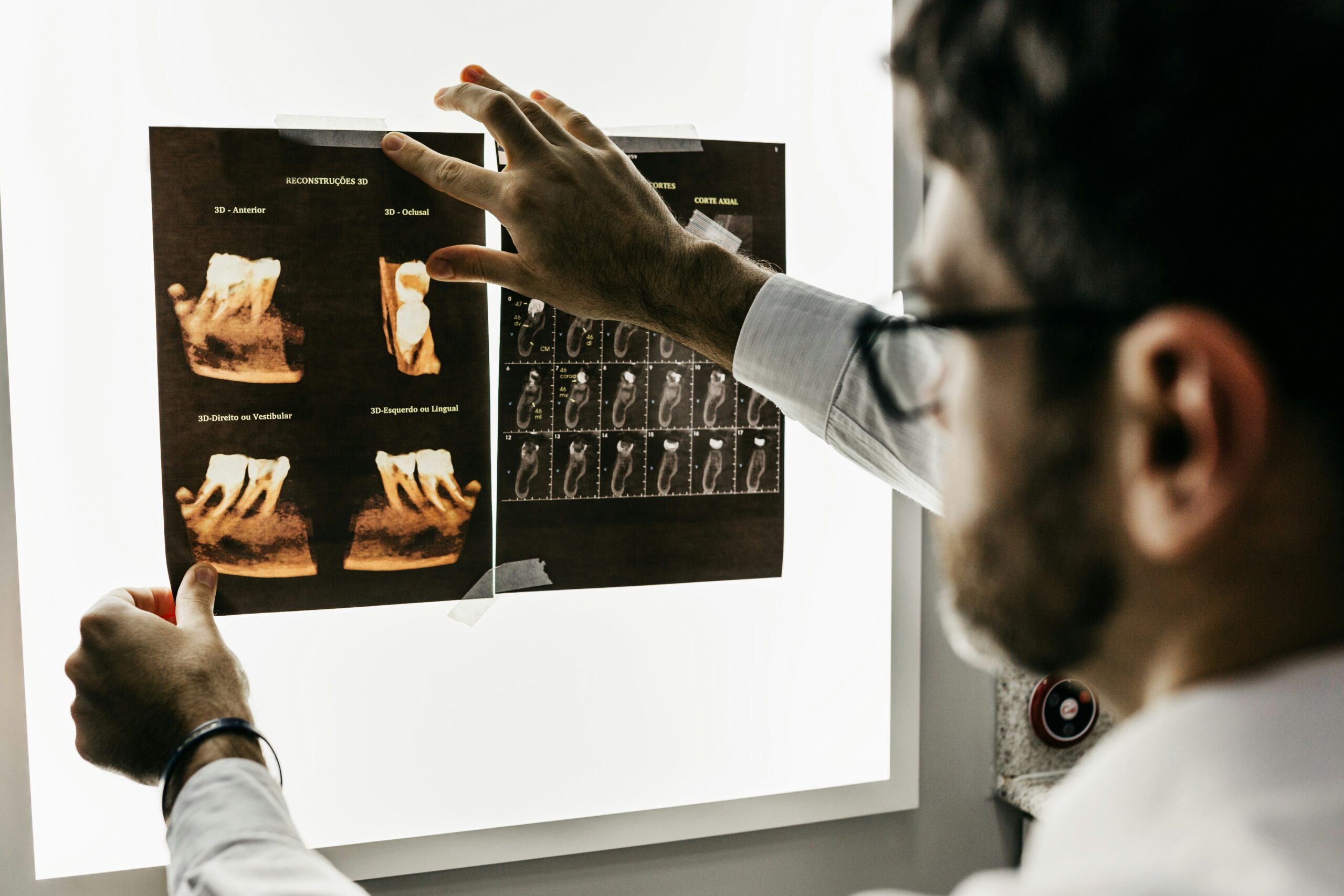

Restorative dentistry focuses on repairing or replacing damaged or missing teeth to restore oral health, function, and comfort. These treatments help patients chew properly, speak clearly, and maintain a healthy smile. Common restorative dental solutions include crowns, implants, and treatments for missing teeth.
Medically reviewed by the Cosmedica Dental clinical team.
Overview
What is restorative dentistry?
Restorative dentistry involves dental treatments that repair damaged teeth or replace missing ones. The primary goal is to restore proper function while protecting long-term oral health.
Depending on the condition, restorative procedures may also improve the appearance of the smile.
Who may need restorative dentistry?
You may benefit from restorative dental treatment if you have:
- damaged or broken teeth
- missing teeth
- teeth weakened by decay or wear
- difficulty chewing or discomfort when biting
Restorative dentistry vs cosmetic dentistry
Restorative dentistry focuses on restoring function and oral health, while cosmetic dentistry primarily improves appearance. Some treatments — such as crowns or dental implants — offer both functional and aesthetic benefits.
Treatment Options in Restorative Dentistry
The type of restorative treatment depends on the condition of your teeth and gums. Common restorative options include:
Bridges
Dental bridges can be used to replace one or more missing teeth by anchoring artificial teeth to neighbouring natural teeth. Bridges help restore chewing function and prevent surrounding teeth from shifting.
Dental Crowns
Dental crowns are used to restore damaged or weakened teeth by covering them with a protective cap that restores strength and function.
If you’re wondering about the longevity of this treatment and what affects durability, our guide on how long dental crowns last explains common factors that influence a crown’s lifespan.
Dental Implants
Dental implants replace missing teeth by acting as artificial tooth roots anchored in the jawbone. Once restored, implants function similarly to natural teeth and do not require alteration of surrounding teeth.
Learn more about implant treatment options on our dental implants page.
Dentures
Dentures are removable appliances used to replace multiple missing teeth. They may be full or partial, depending on how many teeth are missing. In some cases, dentures can also be supported by dental implants for improved stability.
Fillings
Dental fillings are commonly used to repair teeth affected by cavities or minor decay. During this procedure, the dentist removes the decayed portion of the tooth and fills the area with a durable, tooth-coloured material to help prevent further damage.
Inlays and Onlays
Inlays and onlays are custom restorations used when a cavity is too large for a filling but does not require a full crown. These restorations fit precisely into the tooth structure and help preserve more of the natural tooth.
Root Canal Therapy
Root canal therapy may be necessary when decay or damage reaches the inner pulp of a tooth. The procedure removes infected tissue, cleans the tooth, and seals it to prevent further infection. In many cases, a crown is placed afterward to restore strength.
Risks and Benefits
What are the advantages of restorative dentistry?
Restorative dental treatments can help:
- restore oral health and comfort
- improve chewing and speaking ability
- reduce dental pain
- prevent further dental problems
- support long-term tooth function
What are the risks of restorative dentistry?
Most restorative dental treatments carry minimal risk. Temporary sensitivity or mild discomfort may occur after certain procedures.
Rarely, complications such as infection or restoration damage can develop. Prompt dental care and regular follow-ups help reduce these risks.
Recovery and Outlook
Recovery after restorative dental treatment depends on the procedure performed. Some treatments require little to no downtime, while others may involve a short healing period.
Your dentist will provide guidance on aftercare and recovery expectations based on your individual treatment plan.
When should you see a dentist?
If you have damaged, decayed, or missing teeth, it’s important to consult a dentist. Early treatment can prevent further complications and help maintain long-term oral health.