

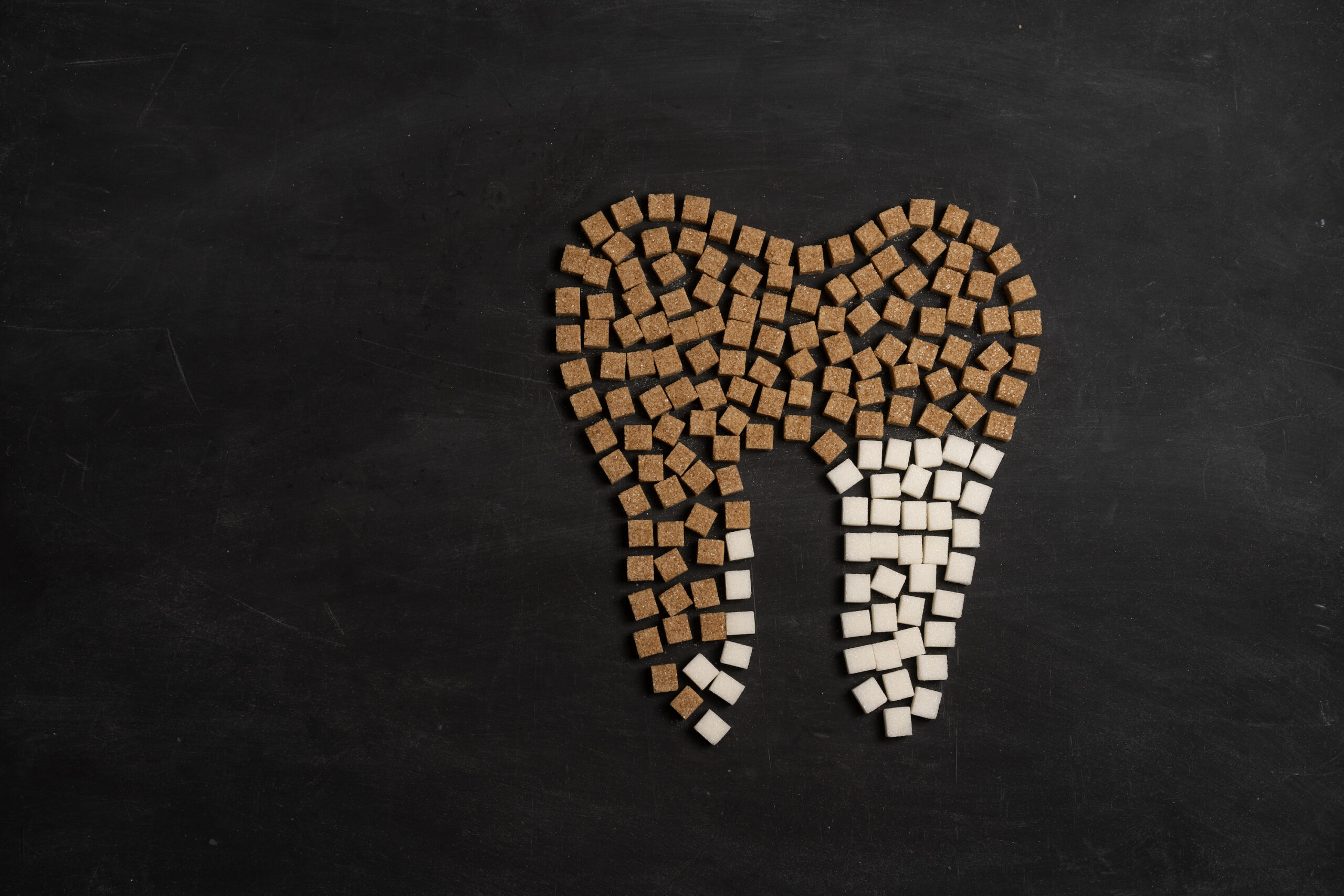

Black teeth can be alarming. Whether you have noticed a dark patch on one tooth or several teeth seem to be turning black, it is natural to wonder what has caused the change and whether it can be treated.
The colour of a tooth can change for several reasons. In some cases, black teeth are caused by external staining from food, drinks or tobacco. In others, the discolouration develops from inside the tooth and may indicate decay, trauma or a damaged tooth nerve.
The right treatment depends on the cause. Some stains can be removed with professional cleaning, while other cases may require restorative treatment such as fillings, root canal treatment, crowns or veneers. If the colour change affects only one tooth, or appears suddenly, it is especially important to have it assessed.
What are black teeth?
A black tooth is any tooth that has developed a dark grey, brown or black appearance compared with the surrounding teeth. The discolouration may affect the whole tooth, a small area of enamel, or only the edge near the gumline.
Some black teeth develop gradually over months or years. Others become noticeable after an injury, untreated decay or a problem with older dental work. The colour itself is not a diagnosis. It is a sign that something has changed either on the surface of the tooth or within the tooth structure.
For a broader overview of tooth shades and what different colours may mean, see our teeth color chart.
What causes black teeth?
Black teeth can develop for several different reasons. Some causes are mainly external, meaning they sit on the tooth surface. Others are internal, meaning the discolouration comes from changes inside the tooth.
Tooth decay
One of the most common causes of black teeth is advanced tooth decay. As bacteria break down the tooth structure, the damaged area may become dark brown or black. In the early stages, decay may look like a white or pale area. As it progresses, it can become darker and eventually form a cavity.
A black area caused by decay usually means the tooth has been affected for some time. It may or may not be painful, which is why visual changes should not be ignored.
Tartar and plaque build-up
When plaque is not removed properly, it can harden into tartar. Tartar often appears yellow or brown at first, but over time it can become darker as it absorbs pigments from food, drinks and tobacco.
This type of staining is often seen near the gumline or between the teeth. Unlike decay, tartar sits on the outside of the tooth and can usually be removed with professional dental scaling and polishing.
Tooth trauma
A tooth that has been hit during sport, an accident or a fall may gradually become grey, dark or black. This can happen when the blood supply or nerve inside the tooth has been damaged.
The colour change may appear soon after the injury, but it can also happen months or years later. A tooth can become darker even if the outside still looks intact.
If the colour is closer to grey than black, our guide to grey teeth explains this type of discolouration in more detail.
Smoking and tobacco
Smoking cigarettes or using other tobacco products can cause heavy staining over time. Nicotine and tar can leave dark deposits on the teeth, especially around the gumline and between teeth.
Long-term tobacco use can also increase the risk of gum disease, tartar build-up and bad breath. More information is available in our guide to smokers teeth.
Food and drink stains
Coffee, tea, red wine and strongly coloured foods can contribute to dark staining, particularly when combined with plaque or tartar. These stains usually develop gradually and are more likely to affect areas that are harder to clean.
Not all staining looks black at first. Many patients first notice yellowing before the teeth become darker. If that is your concern, see our guide on why teeth are yellow.
Old fillings and dental work
Older silver amalgam fillings can sometimes make a tooth look grey or black. This may happen because the filling material creates a shadow through the tooth or because the surrounding tooth structure becomes stained over time.
Ageing crowns, fillings or leaking restorations can also create dark lines or patches around the edges. A similar issue can sometimes appear as a black line on a tooth.
Why is one tooth turning black?
If only one tooth has turned black, the cause is more likely to be trauma, internal staining, decay or a problem with previous dental treatment. A single dark tooth is different from general staining across several teeth.
A tooth can become black after an injury if the nerve inside the tooth has been damaged. It can also darken because of deep decay, a large old filling, or changes after root canal treatment.
In these cases, whitening products are unlikely to solve the problem because the discolouration may be coming from inside the tooth. A dentist may need to take an X-ray to check the condition of the root and surrounding bone.
Are black teeth always a sign of decay?
No. Tooth decay is one possible cause, but black teeth are not always caused by cavities.
External staining, tartar, tobacco, older fillings and dental trauma can all create a dark appearance. However, because these problems can look similar, it is difficult to identify the cause without a dental examination.
This is why a black tooth should not be treated as a purely cosmetic issue until decay, infection or internal damage has been ruled out.
Can black teeth become white again?
Sometimes. If the dark colour is caused by surface staining or tartar, professional cleaning may significantly improve the appearance of the tooth.
If the tooth has turned black because of internal damage, decay or trauma, ordinary whitening will usually not be enough. The tooth may need restorative treatment first, followed by cosmetic treatment if needed.
For patients comparing whitening options, our guide to methods of teeth whitening explains what whitening can and cannot do.
How are black teeth treated?
Treatment depends entirely on what caused the colour change.
If the problem is external staining, professional cleaning may be enough. A dentist or hygienist can remove tartar and surface stains using specialist instruments and polishing techniques.
If decay is responsible, the damaged tooth structure needs to be removed and restored. This may involve a filling if the cavity is small. If the decay is more advanced, the tooth may need a crown or root canal treatment.
If the tooth has darkened because the nerve has been damaged, the dentist may recommend root canal treatment before considering cosmetic improvements.
For front teeth, treatment may also involve a front tooth crown, composite bonding or veneers, depending on how much healthy tooth structure remains.
Can teeth whitening remove black teeth?
Usually not. Whitening works best on natural tooth colour and some external stains, but it does not remove decay, tartar or internal discolouration.
In some cases, whitening can make a black or very dark tooth look more obvious because the surrounding teeth become lighter while the affected tooth stays dark.
For this reason, whitening should only be considered after the cause of the black discolouration has been identified.
When should you see a dentist?
You should book a dental check-up if:
- one tooth has suddenly become black or very dark
- the tooth was previously injured
- there is pain, sensitivity, swelling or looseness
- the colour is getting darker
- there is a dark area near an old filling or crown
- professional cleaning or whitening products are not helping
From a clinical perspective, dentists often see patients who assume a dark tooth is only staining, when the underlying cause is actually decay or nerve damage. A dental assessment helps separate cosmetic staining from conditions that need treatment.
Are black teeth serious?
Black teeth are not always serious, but they should not be ignored.
Some cases are caused by removable staining or tartar. Others may indicate tooth decay, trauma, nerve damage or infection. The main risk is waiting too long and allowing a treatable problem to become more complex.
If a tooth is painful, loose, swollen or becoming darker, it should be assessed as soon as possible.
Can black teeth be covered with veneers?
Veneers may be an option when the tooth is healthy but the colour cannot be improved enough with cleaning or whitening. They can cover visible discolouration and improve the shape and appearance of the tooth.
However, veneers are not the first step if the tooth has active decay, infection or nerve damage. Those issues need to be treated first. Our guide to veneers pros and cons explains when veneers may or may not be suitable.
How can you prevent black teeth?
Many causes of black teeth can be reduced with consistent oral care and regular dental visits. Brushing and flossing help remove plaque before it hardens into tartar. Avoiding tobacco and reducing frequent exposure to staining drinks can also help protect tooth colour.
Regular dental check-ups are important because early decay is much easier to treat before it progresses to visible black discolouration.
Final thoughts
Black teeth can develop for many reasons, from external staining and tartar to tooth decay, trauma or older dental work.
The most important step is finding out why the tooth has changed colour. Once the cause is clear, treatment can focus on both the health and appearance of the tooth.
If you have noticed a tooth becoming black, especially if it affects only one tooth or has appeared suddenly, a dental assessment is the safest next step.
Common questions about black teeth
Why is one of my teeth turning black?
A single black tooth is often linked to trauma, nerve damage, decay, internal staining or an old filling. It should be assessed by a dentist, especially if the colour change is new.
Can black teeth be saved?
Often, yes. Whether the tooth can be saved depends on the cause and how much healthy tooth structure remains. Early treatment usually gives more options.
Are black teeth always cavities?
No. Black teeth may be caused by staining, tartar, trauma, older fillings or decay. A dental examination is needed to confirm the cause.
Can whitening fix black teeth?
Usually not if the colour is caused by decay, tartar or internal damage. Whitening may help some stains, but the cause should be assessed first.
Is a black tooth an emergency?
Not always, but it should be checked promptly if there is pain, swelling, looseness, trauma or a sudden colour change.
Can veneers cover black teeth?
Veneers may cover discolouration if the tooth is healthy. If the tooth has decay, infection or nerve damage, those problems need treatment first.
ARE YOU WORRIED ABOUT YOUR TEETH?
Contact out team Cosmedica Dental and start your journey to whiter, healthier teeth.