

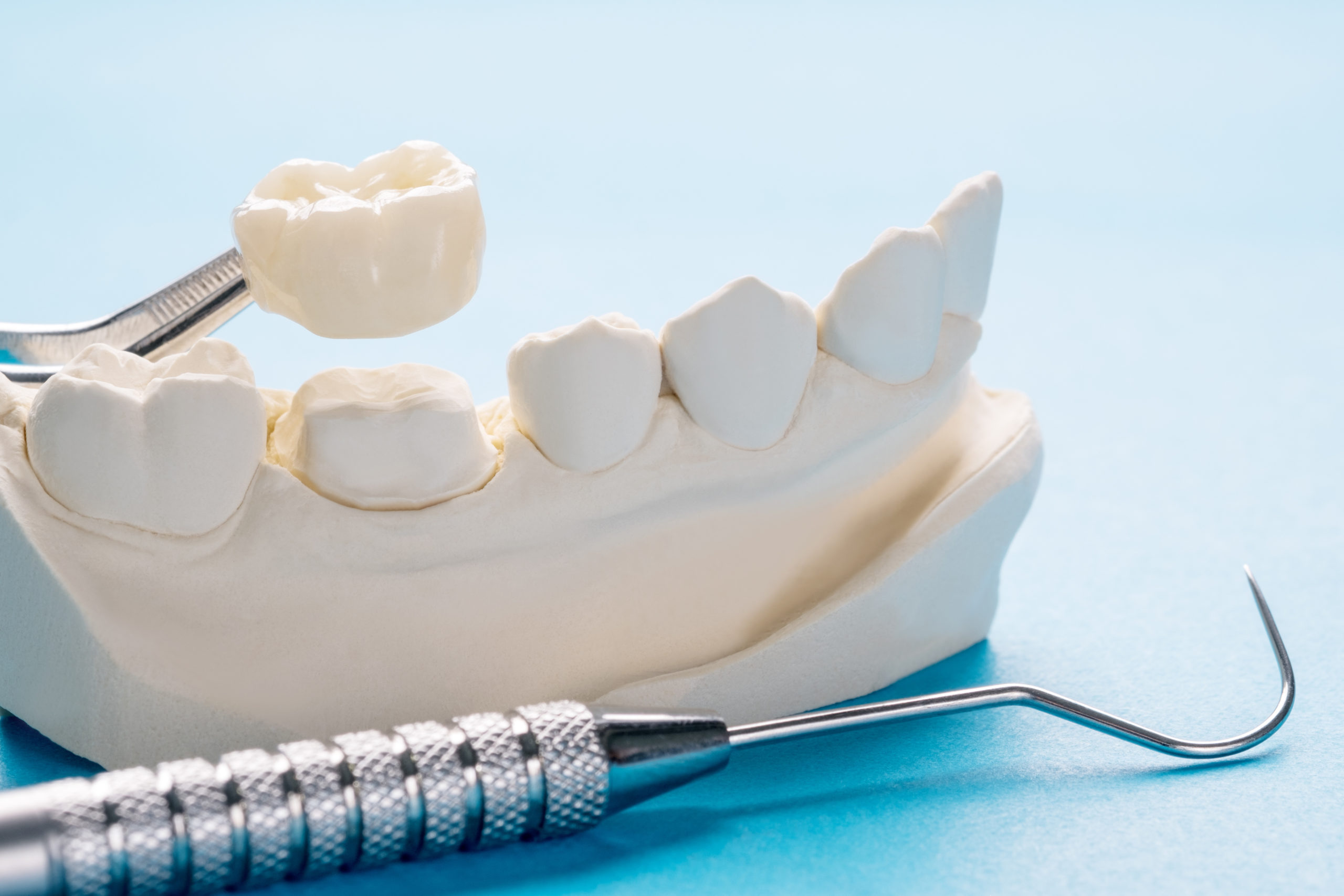

If you’ve been told you need a dental crown, or you’re researching ways to restore damaged or discoloured teeth, zirconium crowns are likely one of the options you’ve come across.
They are widely used in modern dentistry because they offer a combination of strength and natural appearance that older materials often couldn’t achieve. As a result, they are now commonly recommended for both functional treatments, such as repairing weakened teeth, and cosmetic improvements to enhance a smile.
For patients in the UK, zirconium crowns are also frequently researched in the context of private treatment costs and the growing trend of travelling abroad for dental care.
In this guide, you’ll find a clear explanation of what zirconium crowns are, how they compare to other options, how long they last, and what you can expect in terms of cost and results.
What are zirconium crowns?
Zirconium crowns (also known as zirconia crowns) are a type of dental crown used to restore teeth that are damaged, weakened, or cosmetically compromised. A dental crown is essentially a custom-made cap that fits over a tooth to protect it and improve its appearance.
What makes zirconium crowns different is the material. They are made from zirconium dioxide, a strong ceramic that combines durability with a natural-looking finish. Because they are completely metal-free, they have become a popular alternative to older crown types such as porcelain-fused-to-metal.
In modern dentistry, zirconium crowns are widely used for both functional and cosmetic treatments, particularly when patients want a long-lasting solution that still looks natural.
Why are zirconium crowns recommended?
Over the past decade, zirconium crowns have become one of the most commonly recommended options. This is largely because they solve a long-standing problem in dentistry: choosing between strength and aesthetics.
Traditional metal-based crowns were strong but often looked unnatural, especially near the gumline. Pure porcelain crowns looked better but were more prone to chipping under pressure. Zirconium crowns sit in the middle — offering a balance of both.
They are strong enough for back teeth, where chewing forces are highest, but can also be designed to blend in with natural teeth, particularly when newer high-translucent zirconia is used.
Another important factor is biocompatibility. Because zirconium crowns do not contain metal, they are less likely to cause irritation or allergic reactions, which makes them suitable for a wider range of patients.
What types of zirconium crowns are available?
Not all zirconium crowns are the same, and understanding the differences helps explain why results can vary between clinics.
Monolithic zirconia crowns are made entirely from a single block of zirconia. These are the strongest option and are typically used for back teeth, where durability is the main priority.
Layered zirconia crowns combine a zirconia core with a porcelain outer layer. This allows for more detailed colour matching and a more natural appearance, which is why they are often chosen for front teeth.
High-translucent zirconia is a newer development designed to mimic natural enamel more closely. It allows light to pass through the crown in a similar way to real teeth, making it particularly suitable for visible areas of the smile.
When do you need a zirconium crown?
Dentists typically recommend a zirconium crown when a tooth can no longer be restored with a simple filling but does not need to be removed.
This often includes cases where a tooth has been weakened by decay, cracked due to injury, or treated with a root canal. Crowns are also used to improve the appearance of teeth that are severely discoloured or misshapen, and they are commonly placed on top of dental implants.
In many cases, the decision is not just about restoring function, but also about improving the overall appearance of the smile — which is why zirconium crowns are frequently used in cosmetic dentistry.
Who is a good candidate for zirconium crowns?
Zirconium crowns are suitable for a wide range of patients, but they are particularly beneficial in certain situations.
They are often recommended for patients who need a strong restoration on back teeth, especially if there is a history of grinding or heavy biting forces. At the same time, modern zirconia can also be used for front teeth when aesthetics are a priority, particularly with high-translucent or layered designs.
Patients with metal sensitivities or those who prefer metal-free dentistry are also good candidates. However, in highly cosmetic cases, such as single front tooth restorations, some dentists may still suggest alternative materials depending on the exact shade match required.
Ultimately, the best option depends on the condition of the tooth, its position in the mouth, and the patient’s expectations.
Zirconium crowns vs other types: which is better?
Choosing the right crown material depends on the position of the tooth, aesthetic expectations, and how much pressure the tooth needs to withstand.
Zirconium
Porcelain (e.max)
PFM (metal-based)
Gold
Zirconium crowns are often considered the most versatile option because they can be used in almost any part of the mouth without a major compromise in either strength or appearance.
Many patients comparing crown materials also want to understand how zirconium differs from more traditional options, particularly porcelain-based restorations. While both materials are widely used, they perform differently depending on the position of the tooth and the level of strength required. If you’re unsure which option is more suitable, it can be helpful to look at a direct comparison such as zirconia crown vs porcelain.
What is the procedure for zirconium crowns?
The process of getting a zirconium crown is similar to other types of dental crowns. In most cases, treatment is completed over two appointments.
During the first visit, the dentist prepares the tooth by removing a small amount of its outer surface. This ensures the crown will fit securely and look natural. An impression or digital scan is then taken, which is used to create the custom crown. A temporary crown is usually placed to protect the tooth in the meantime.
At the second visit, the final zirconium crown is fitted and bonded into place.
Some clinics now offer same-day crowns using digital scanning and CAD/CAM technology. In these cases, the crown can be designed and placed in a single appointment, although this depends on the equipment available.
What results can you expect from zirconium crowns?
One of the main reasons patients choose zirconium crowns is the visible improvement in both function and appearance.
Teeth that are chipped, discoloured, or uneven can be restored to a more uniform shape and colour. In many cases, crowns are also used to improve alignment visually, creating a straighter-looking smile without orthodontic treatment.
For patients undergoing multiple crowns as part of a smile makeover, the results can be significant. The overall symmetry, brightness, and proportion of the teeth can be adjusted to achieve a more balanced and natural-looking smile.
How long do zirconium crowns last?
Zirconium crowns are known for their longevity. In most cases, they last between 10 and 20 years, and often longer with good care.
Their lifespan depends largely on daily habits. Regular brushing and flossing, avoiding excessive pressure from grinding, and attending routine dental check-ups all play a role in how long the crown remains in good condition.
Like any dental restoration, zirconium crowns can eventually fail if decay develops around the edges or if they are exposed to repeated stress over time. However, compared to many other materials, they are considered one of the most durable options available.
How much do zirconium crowns cost in the UK vs Turkey?
One of the main reasons UK patients research zirconium crowns is the cost difference between private treatment in the UK and treatment abroad.
In the UK, zirconium crowns are typically offered privately and can cost anywhere between £800 and £1,500 per tooth, depending on the clinic and location.
In Turkey, the same treatment is often available at significantly lower prices, usually ranging from £180 to £350 per crown. Even when travel and accommodation are included, many patients find the overall cost to be considerably lower.
This price difference, combined with shorter waiting times and access to modern clinics, is why Turkey has become a popular destination for dental treatment.
Do zirconium crowns look natural?
One of the key concerns patients have is whether a crown will look like a real tooth. Earlier versions of zirconia were sometimes criticised for appearing slightly opaque, particularly under certain lighting.
However, modern zirconium crowns have improved significantly. High-translucent zirconia is designed to mimic the way natural enamel reflects light, allowing the crown to blend more seamlessly with surrounding teeth.
For highly visible front teeth, dentists may also use layered zirconia or combine materials to achieve a more lifelike result.
In some cosmetic cases, patients may also compare crowns with treatments such as veneers.
What are the risks or disadvantages of zirconium crowns?
Zirconium crowns are not without limitations, although these are generally minor.
They tend to be more expensive than basic crown options, particularly in private UK clinics. In some cases, achieving a perfect colour match can be more challenging than with certain porcelain-based materials, especially for front teeth.
There are also some clinical considerations. If a crown does not fit correctly, it can trap bacteria at the margins, which may lead to decay in the underlying tooth over time. Like all crowns, zirconium restorations may eventually need replacement, particularly if they are exposed to constant pressure from grinding or bite issues.
If the bite feels wrong after treatment, some patients may experience symptoms such as jaw pain after a crown.
While zirconia is extremely strong, this hardness means that careful polishing and adjustment are important to avoid unnecessary wear on opposing teeth.
Common questions about zirconium crowns
Are zirconium crowns better than porcelain crowns?
Zirconium crowns are generally stronger and more resistant to chipping, making them suitable for both front and back teeth. Porcelain crowns may offer slightly better aesthetics in certain cases, particularly for highly visible front teeth.
How long do zirconium crowns last?
Zirconium crowns typically last between 10 and 20 years with proper care. Good oral hygiene, regular check-ups and avoiding habits like teeth grinding can help extend their lifespan.
Do zirconium crowns look natural?
Yes, modern zirconium crowns—especially high-translucent types—are designed to closely mimic natural tooth enamel. They can be colour-matched to blend with surrounding teeth.
How much do zirconium crowns cost in the UK?
In the UK, zirconium crowns usually cost between £800 and £1,500 per tooth in private clinics. Prices can vary depending on the clinic and complexity of the case.
Why are zirconium crowns cheaper in Turkey?
Lower operating costs, favourable exchange rates and high treatment volumes allow clinics in Turkey to offer significantly lower prices compared to the UK, often without compromising on quality.
Are zirconium crowns safe?
Yes, zirconium crowns are widely used in modern dentistry and are considered safe. They are metal-free, biocompatible and suitable for patients with sensitivities.
Can zirconium crowns stain or discolour?
Zirconium crowns are highly resistant to staining due to their non-porous surface. However, maintaining good oral hygiene is still important to prevent surrounding teeth from discolouring.
Is the zirconium crown procedure painful?
The procedure is usually carried out under local anaesthesia, so patients should not feel pain during treatment. Some mild sensitivity may occur afterwards, but this typically settles quickly.
Final thoughts
Zirconium crowns have become one of the most reliable and widely used solutions for restoring damaged teeth. They offer a combination of strength, longevity, and aesthetics that was difficult to achieve with older materials.
For UK patients, they are also an important part of the growing trend of seeking dental treatment abroad, where the same procedures can often be carried out at a significantly lower cost.
As with any dental treatment, the most important step is getting personalised advice. A qualified dentist can assess your specific situation and help you decide whether a zirconium crown is the right option for you.